The true health power of 85% dark chocolate isn’t just in its high cocoa content, but in how you strategically integrate it into your diet.
- Effective use involves retraining your palate away from sugar and practicing mindful consumption to enhance satiety and pleasure.
- Understanding labels to avoid hidden sugars and alkalized (Dutch-processed) cocoa is crucial for maximizing your intake of beneficial flavanols.
Recommendation: Start with a 4-week transition plan and focus on savoring one or two squares daily to effectively curb cravings and support heart health.
For many health-conscious individuals, finding a treat that satisfies a sweet craving without derailing dietary goals feels like a constant battle. The usual advice often points towards dark chocolate, celebrated for its antioxidant properties. You’ve likely heard the generic recommendation: “choose 70% cacao or higher.” While well-intentioned, this advice barely scratches the surface and often leads to a frustrating experience with bitter, unappetizing chocolate that fails to deliver on its promise of pleasure.
This approach overlooks a fundamental truth: the full health potential of high-cacao chocolate is not unlocked by merely picking a high percentage off the shelf. The real benefits lie in a more nuanced and strategic approach. But what if the key wasn’t just *what* you eat, but *how* and *when* you eat it? What if you could retrain your palate to not only tolerate but genuinely enjoy 85% or even 90% cacao, transforming it from a “healthy chore” into a truly satisfying moment?
This guide moves beyond the platitudes. We will explore the science-backed strategy for making high-percentage dark chocolate an effective and enjoyable part of your wellness routine. We’ll delve into the critical relationship between cocoa and sugar, provide a practical plan to adapt your taste buds, and reveal the common labeling traps that can sabotage your efforts. It’s time to learn how to use dark chocolate not just as a lesser evil, but as a powerful tool for your health.
To help you navigate this flavorful journey, this article breaks down the essential strategies into clear, manageable sections. The following summary outlines the key topics we will cover to help you become a true dark chocolate connoisseur.
Summary: A Deep Dive into High-Cacao Chocolate Strategy
- Why a 90% bar contains 3 times less sugar than a classic 70%?
- How to go from milk chocolate to 100% cocoa in 4 weeks without frustration?
- Raw powder or dark square: which form provides the most flavanols for the heart?
- The label reading mistake that makes you consume 40% hidden sugar
- When to eat your 85% square to stop an afternoon craving in its tracks?
- How many 85% squares to get a measurable vasoprotective effect?
- The mistake of eating while driving that reduces pleasure by 80%
- Which Cocoa Processing Method Preserves the Most Flavanols?
Why a 90% bar contains 3 times less sugar than a classic 70%?
The percentage on a chocolate bar represents the total amount of ingredients, by weight, that come from the cacao bean. This includes cocoa mass (the pure, non-fat part rich in flavanols) and cocoa butter (the natural fat). The remaining percentage is primarily made up of sugar, and sometimes small amounts of emulsifiers like lecithin and flavorings like vanilla. Therefore, a simple mathematical reality governs the sugar content: as the cocoa percentage increases, the space available for sugar dramatically decreases. This creates an inverse relationship that is key to understanding the health benefits.
A 70% dark chocolate bar, for instance, contains 30% other ingredients, most of which is sugar. In contrast, a 90% bar only has 10% room for non-cocoa ingredients. This fundamental difference is why a higher percentage is not just marginally better—it’s exponentially lower in sugar. Research on chocolate composition reveals that while a typical 70% bar may contain 15-25 grams of sugar per 100g, 90% dark chocolate contains as little as 5g of sugar. This drastic reduction is the primary reason why high-percentage chocolate is recommended for those looking to manage blood sugar and reduce overall sugar intake without eliminating treats entirely.
The following table, based on typical market averages, clearly illustrates how significantly sugar content drops as the cocoa percentage rises, making it easier to visualize the impact of your choice.
| Cocoa % | Sugar per 100g | Sugar Reduction |
|---|---|---|
| 70% | 20-25g | Baseline |
| 85% | 10-15g | 40-50% less |
| 90% | 5-10g | 60-75% less |
| 100% | 0g | 100% less |
Understanding this inverse relationship empowers you to make a more informed choice, seeing the percentage not just as a measure of bitterness, but as a direct indicator of its low sugar content.
How to go from milk chocolate to 100% cocoa in 4 weeks without frustration?
Jumping directly from sweet milk chocolate to an intense 100% cacao bar is a recipe for failure. The shock to the palate is often too great, leading to the conclusion that “dark chocolate is just not for me.” The secret to a successful transition lies in a gradual, structured process of palate retraining. Your taste buds, accustomed to high levels of sugar, need time to adapt and learn to appreciate the complex, nuanced flavors of pure cocoa. This four-week plan is designed to guide you through that process without frustration.
The goal is to incrementally increase the cocoa percentage, allowing your brain and taste receptors to adjust slowly. Each step up feels manageable, preventing the flavor shock that derails most attempts. This methodical approach transforms the journey into an exploration of flavor rather than an exercise in endurance.
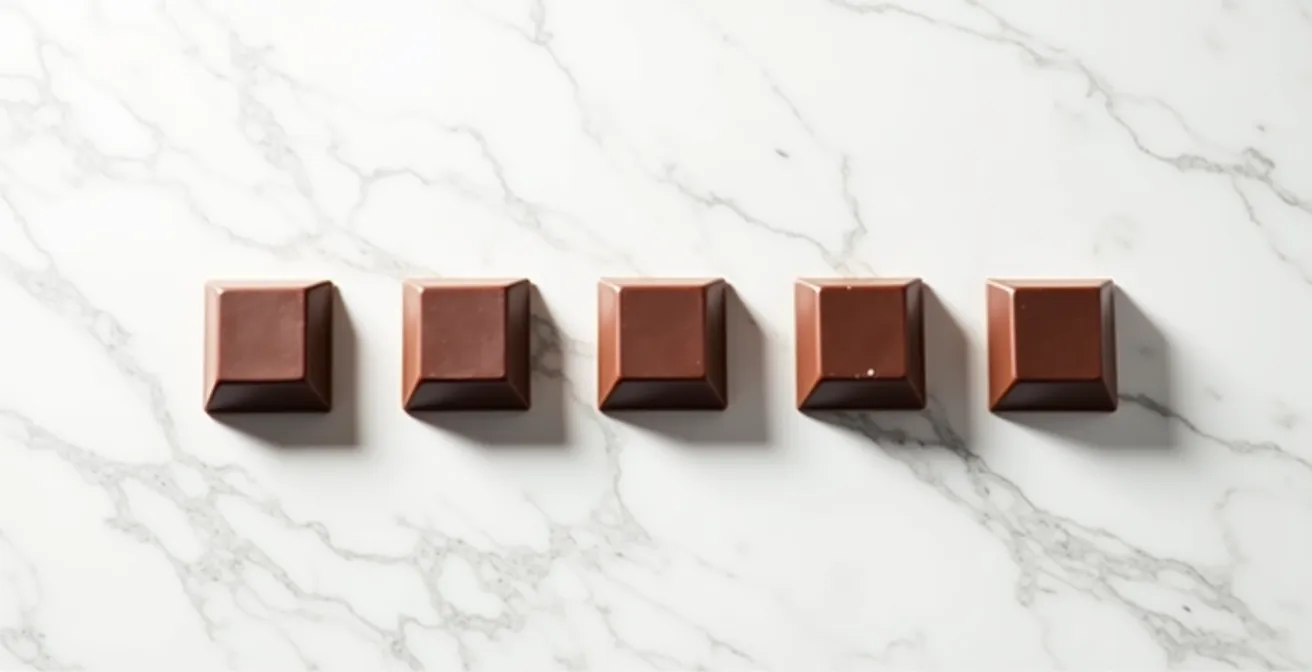
This visual gradient represents the journey your palate will take. Here is a practical, week-by-week protocol to follow:
- Week 1: Start with a 60-65% cocoa chocolate. This is a significant step up from milk chocolate but still contains enough sweetness to be approachable. Try pairing it with coffee or berries to complement its flavor.
- Week 2: Move to a 70% cocoa bar. The intensity increases, so focus on savoring smaller portions. Let a single square melt on your tongue to fully experience its profile.
- Week 3: Progress to an 85% cocoa chocolate. At this stage, you’ll begin to notice the complex “terroir” notes—hints of fruit, nuts, or even floral tones that were previously masked by sugar.
- Week 4: You are now ready to try 90% or even 100% cacao. Consume it in very small amounts, appreciating its complexity and intensity. You’ll find that what once tasted impossibly bitter now offers a rich and satisfying experience.
By following this plan, you’re not just changing a habit; you’re developing a new appreciation for flavor that will make high-cacao chocolate a genuine pleasure.
Raw powder or dark square: which form provides the most flavanols for the heart?
When seeking the cardiovascular benefits of cocoa, many people wonder whether it’s better to use raw cacao powder in smoothies or to eat a solid square of dark chocolate. Both forms are rich in flavanols, the powerful antioxidants linked to improved blood flow and heart health. Raw, unprocessed cacao powder often boasts a higher concentration of these compounds by weight, as it hasn’t been diluted with cocoa butter and sugar. However, the story of nutrient absorption is more complex than just concentration.
The real difference lies in bioavailability—how much of the nutrient your body can actually absorb and use. Chocolate in its solid bar form contains a crucial component: cocoa butter. This natural fat plays a vital role in the absorption of certain nutrients. Flavanols and other polyphenols are fat-soluble, meaning they need fat to be effectively transported from your digestive system into your bloodstream. Without the presence of fat, a significant portion of these beneficial compounds may simply pass through your body unabsorbed.
This concept of “nutrient synergy” is supported by scientific understanding of how our bodies process food. As researchers from a study in *Frontiers in Immunology* point out, the delivery mechanism matters:
The fat in a solid square (cocoa butter) is crucial for the absorption of fat-soluble polyphenols.
– Research team, Frontiers in Immunology
While adding cacao powder to a smoothie that already contains healthy fats (like avocado or nuts) can mimic this effect, a square of high-quality dark chocolate comes with its own perfectly paired absorption-enhancing medium. Therefore, a solid square of 85% chocolate is often a more efficient vehicle for delivering those heart-healthy flavanols exactly where they need to go.
The label reading mistake that makes you consume 40% hidden sugar
Many consumers feel confident when they pick up a chocolate bar labeled “70% cocoa,” believing they’ve made a healthy choice. However, a common mistake in label reading can lead to consuming far more sugar than intended. The error is focusing solely on the front-of-package percentage while ignoring what that number truly implies about the rest of the ingredients. A label stating “70% cocoa” means that the remaining 30% of the bar is not cocoa. This portion is almost entirely composed of sugar, with trace amounts of vanilla or an emulsifier like lecithin.
Thinking you are eating a “70% healthy” product is a psychological trap. In reality, nearly a third of that bar is pure sugar. For a standard 100g bar, that’s 30g of sugar—equivalent to about 7.5 teaspoons. The same logic applies across the board: an 85% bar contains about 15% sugar, which is a 50% reduction, but it’s still a significant amount if you’re not mindful of portion sizes. This misunderstanding is the “hidden sugar” trap; it’s not hidden in the ingredient list, but in our interpretation of the main percentage claim.
Furthermore, the term “cocoa solids” itself can be misleading. It includes both the flavanol-rich cocoa mass (the dark, bitter part) and the flavanol-poor cocoa butter. A manufacturer could theoretically create a 70% bar with a higher proportion of cocoa butter and less cocoa mass, which would have a milder flavor but also fewer of the antioxidants you’re seeking. True label literacy means looking beyond the big number and checking the nutrition facts for the “sugars” line per serving, and ideally choosing brands that are transparent about their bean-to-bar process.
When to eat your 85% square to stop an afternoon craving in its tracks?
The mid-afternoon slump, often accompanied by a powerful craving for something sweet or carby, is a daily challenge for many. This is where high-percentage dark chocolate can be a powerful strategic tool, but its effectiveness depends heavily on timing. Simply eating it when the craving hits is a reactive approach; a proactive strategy yields far better results. The key is to consume your chocolate *before* the craving reaches its peak, effectively cutting it off before it begins.
For most people, the energy dip occurs around 3:00 PM. To counter this, plan to have one or two squares of 85% chocolate at approximately 2:30 PM. This 30-minute head start allows the nutrients and complex compounds in the chocolate to begin metabolizing. The combination of healthy fats, fiber, and a small amount of sugar provides a gentle, sustained energy lift, while the rich, intense flavor satisfies the brain’s desire for a treat, preempting the desperate search for a sugary snack. This approach turns chocolate into a preventative measure rather than a rescue remedy.
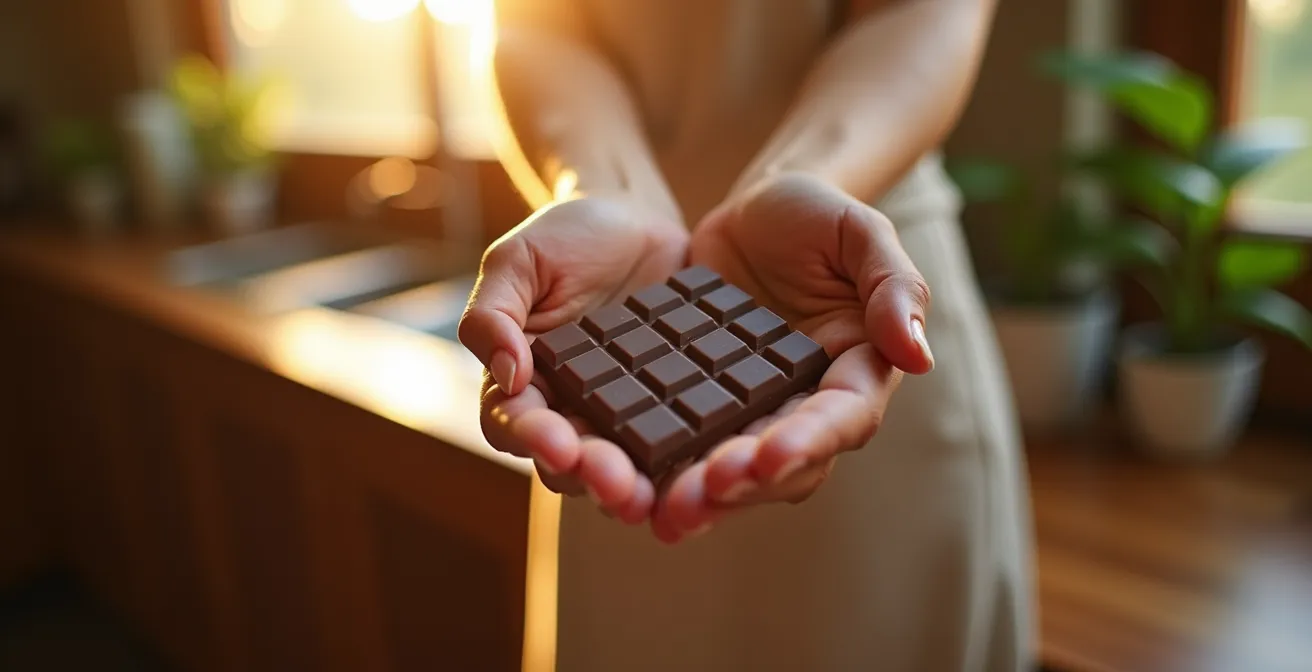
To maximize this effect, you can follow a simple, strategic ritual. According to clinical research, this small, mindful habit can make a significant difference. For example, 20-30g of quality 85% chocolate provides a significant dose of flavanols that contribute to vascular benefits and satiety.
- Consume 1-2 squares 30 minutes before your typical craving time.
- Pair it with a small handful of almonds (5-10) to balance the macronutrients and further slow absorption for sustained energy.
- Let the chocolate melt slowly on your tongue. This maximizes the satiety signals sent to your brain.
- Follow with a full glass of water to enhance the feeling of fullness.
This deliberate act of mindful consumption not only stops cravings but also transforms a simple snack into a moment of calm and control in a busy day.
How many 85% squares to get a measurable vasoprotective effect?
While the general health benefits of dark chocolate are widely publicized, those serious about their health want to know a more precise “dose” for achieving specific outcomes, such as a vasoprotective effect (protecting blood vessels). This effect is primarily attributed to cocoa flavanols, which help improve blood flow and vessel elasticity. While an exact number of squares can vary based on the brand and size of the square, scientific studies provide a clear direction on the effective daily amount of cocoa flavanols needed.
Landmark trials, such as the COcoa Supplement and Multivitamin Outcomes Study (COSMOS), have been instrumental in demonstrating the importance of consistent daily consumption for cardiovascular benefits. These studies typically use concentrated cocoa extracts containing around 500-600 mg of flavanols. Translating this to commercial chocolate, this dose is generally found in approximately 20-30 grams of a high-quality, high-flavanol 85% dark chocolate. For a standard bar where a square is about 5-10 grams, this translates to roughly 2 to 4 squares per day.
It’s crucial to understand that this is not a one-time fix. The vasoprotective benefits are linked to regular, daily intake, as the flavanols’ effects on the body are cumulative but also relatively short-lived. Skipping days or eating a large amount once a week is less effective than a consistent, moderate daily dose. Therefore, the goal is to integrate this small amount into your daily routine, much like taking a supplement. This makes the health benefit a sustainable part of your lifestyle rather than an occasional indulgence.
The mistake of eating while driving that reduces pleasure by 80%
In our fast-paced lives, eating on the go has become the norm. Grabbing a snack while driving, working at a desk, or scrolling on a phone is a common scenario. However, this habit of distracted eating fundamentally sabotages the potential pleasure and satiety we can get from our food, especially a complex one like dark chocolate. When your brain is focused on another task, it fails to fully process the sensory inputs of taste, texture, and aroma. The result? You eat more to feel satisfied, and the experience is significantly less memorable and enjoyable.
Scientific studies have confirmed this powerful connection. Research has shown that participants in mindfulness conditions consumed significantly less chocolate after an exercise than those in a control group, while reporting equal or greater satisfaction. This demonstrates that paying full attention to the act of eating enhances the feeling of satiety, allowing you to feel content with a smaller amount. Eating an 85% chocolate square while distracted is a waste of its potential; you get the calories without the full pleasure or the powerful satiety signals that help control cravings later.
To counter this, adopting a simple mindfulness ritual can completely transform your experience with dark chocolate. This isn’t about meditation; it’s about dedicating just 60 seconds to fully engage your senses. This practice turns a mindless snack into a powerful moment of presence and pleasure.
Your 5-Step Chocolate Mindfulness Ritual
- SEE: Take a moment to look at the chocolate. Observe its color, its sheen, and the texture of its surface.
- SNAP: Break a piece off and listen for the crisp, clean sound it makes. A sharp snap is a sign of a well-tempered, high-quality chocolate.
- SMELL: Before tasting, bring the piece to your nose and inhale deeply. Try to identify the different aromas—is it earthy, fruity, or roasted?
- SAVOR: Place the chocolate on your tongue and resist the urge to chew immediately. Let it melt slowly, noticing how the flavor evolves and coats your mouth.
- SWALLOW: Finally, as you swallow, pay attention to the lingering taste—the finish—and the feeling of satisfaction it brings.
By engaging in this ritual, you not only amplify the pleasure but also strengthen the brain-gut connection, leading to better appetite regulation and a more profound sense of well-being.
Key Takeaways
- The percentage of cocoa is inversely proportional to sugar content; a 90% bar can have up to 75% less sugar than a 70% bar, making it a superior choice for health.
- Effective integration requires a gradual palate transition (e.g., a 4-week plan) and mindful savoring, not just switching products, to make it a sustainable and pleasurable habit.
- For maximum antioxidant benefit, choose non-alkalized (non-Dutch processed) chocolate, as this gentle processing method preserves significantly more of the heart-healthy flavanols.
Which Cocoa Processing Method Preserves the Most Flavanols?
Even after choosing a high-percentage chocolate, there is one final, critical factor that determines its antioxidant power: the processing method. Not all cocoa is created equal. A common industrial practice called “Dutch processing” or “alkalizing” involves treating cocoa beans with an alkaline solution. This process neutralizes the cocoa’s natural acidity, resulting in a darker color and a milder, less bitter flavor that many consumers prefer. However, this convenience comes at a steep nutritional cost.
The flavanols that give dark chocolate its health credentials are the very compounds that contribute to its naturally bitter and astringent taste. The alkalizing process, designed to reduce this bitterness, unfortunately also destroys a significant portion of these beneficial antioxidants. The difference is not minor; processing research reveals that non-alkalized chocolate retains up to 90% more flavanols than its Dutch-processed counterpart. This means that two 85% chocolate bars can have vastly different health impacts based solely on this one processing step.
To ensure you’re getting the full antioxidant benefit you’re paying for, you must become a savvy label inspector. Look for ingredient lists that say “cocoa” or “cacao.” If you see terms like “cocoa processed with alkali,” “Dutched cocoa,” or “alkalized cocoa,” you know that the flavanol content has been significantly compromised. The most potent and healthful chocolate will be that which is minimally processed—often labeled as “natural” or simply lacking any mention of alkalization. Choosing non-Dutched chocolate is the final, essential step in optimizing your antioxidant intake.
Start today by choosing a high-quality, non-alkalized 85% chocolate and apply the mindful savoring ritual to transform this simple pleasure into a powerful wellness habit.
Frequently Asked Questions about High-Cacao Chocolate
Why does serving size matter when reading chocolate labels?
Nutritional information, including sugar content, is often provided per serving, not for the whole bar. Manufacturers can use an unrealistically small serving size to make the sugar content appear lower. Always check the serving size and how many servings are in the package to understand the true sugar load you’re consuming. Figures can also vary by brand and specific recipe.
What does ‘cocoa solids’ actually include?
Cocoa solids is a general term that includes everything derived from the cacao bean. This means it encompasses both the flavanol-rich cocoa mass (the dark, non-fat part) and the flavanol-poor cocoa butter (the fat). A label doesn’t specify the ratio between these two, so a higher percentage of cocoa solids doesn’t always guarantee a higher percentage of the most beneficial antioxidant components.
How can processing affect the label claims?
Processing has a massive impact. Treating chocolate with alkali, known as Dutch processing, is done to reduce its natural bitterness and darken the color. However, this process can significantly decrease the antioxidant levels, sometimes by over 60-90%. A bar labeled “processed with alkali” will have far fewer flavanols than a natural, non-alkalized one, even at the same cocoa percentage.