Types of Chocolate
Chocolate is far more than a simple confection—it represents a complex spectrum of flavors, textures, and production philosophies shaped by genetics, geography, and craftsmanship. Understanding the different types of chocolate empowers you to make informed choices, whether you’re selecting bars for tasting, ingredients for baking, or simply exploring new flavor experiences. The distinctions between categories go well beyond color and sweetness levels.
This comprehensive resource introduces the fundamental categories of chocolate, explores how single-origin expressions differ from blends, examines the genetic varieties that determine quality and price, and demystifies emerging categories like blonde chocolate. By the end, you’ll possess the foundational knowledge needed to navigate the chocolate world with confidence and curiosity.
The Four Main Categories of Chocolate
Chocolate classification traditionally centers on cocoa content and the presence of milk solids. Each category serves distinct culinary purposes and appeals to different taste preferences.
Dark Chocolate: Purity and Complexity
Dark chocolate contains cocoa solids, cocoa butter, and sugar—nothing more in its purest form. The cocoa percentage typically ranges from 50% to 100%, with most quality dark chocolates falling between 60% and 85%. Higher percentages don’t automatically mean better quality; balance between bitterness, acidity, and inherent cocoa flavors determines excellence. Dark chocolate showcases terroir and genetic variety most transparently, making it the preferred choice for professional tasters and connoisseurs seeking nuanced flavor profiles.
Milk Chocolate: Sweetness and Accessibility
The addition of milk powder or condensed milk creates milk chocolate’s characteristic creamy sweetness. Cocoa content generally ranges from 25% to 45%, though premium brands push this higher. The milk component softens cocoa’s natural astringency, creating broader appeal. Quality milk chocolate balances sweetness with recognizable cocoa character rather than masking it entirely—a distinction that separates artisan products from mass-market confections.
White Chocolate: The Controversial Category
White chocolate contains cocoa butter, milk solids, and sugar but no cocoa solids, which explains its ivory color and absence of traditional chocolate flavor. Purists debate whether it deserves the chocolate designation, yet quality white chocolate demonstrates complexity through the cocoa butter’s subtle flavor and the choice between deodorized and naturally aromatic cocoa butter. When made with premium ingredients and restrained sweetness, it serves as an exceptional carrier for vanilla, citrus, and floral aromatics.
Blonde Chocolate: The Newest Addition
Developed through controlled caramelization of white chocolate, blonde (or caramelized) chocolate represents the newest mainstream category. The gentle heating process transforms milk sugars, creating toasted, biscuit-like notes with caramel undertones. This innovation has gained traction among pastry professionals seeking alternatives to traditional caramel while maintaining chocolate’s textural properties.
Single-Origin Chocolate and Terroir Expression
Just as wine enthusiasts discuss terroir, chocolate crafters increasingly highlight geographic origin as a quality and flavor indicator. Single-origin chocolates—made from beans harvested in one specific region or estate—offer distinct taste profiles shaped by soil composition, climate, fermentation practices, and local cocoa varieties.
A Venezuelan chocolate might express fruity, wine-like notes, while Ecuadorian beans often deliver floral jasmine characteristics. Madagascar origins typically showcase bright acidity with red fruit tones, and Indonesian beans may present earthy, spiced profiles. These differences aren’t subtle—they’re as pronounced as comparing Bordeaux wine to Burgundy.
Understanding terroir helps you pair chocolate with complementary ingredients. Fruity Caribbean origins harmonize beautifully with berries and citrus, while earthy Asian origins complement coffee, nuts, and warm spices. Recognizing these patterns transforms chocolate from a generic ingredient into a precision tool for flavor composition.
The alternative to single-origin is blended chocolate, where beans from multiple regions are combined to achieve consistency and balance. Neither approach is inherently superior—single-origins celebrate unique character, while blends prioritize reliable performance and complexity through strategic combination. Professional chocolatiers often stock both, selecting based on application requirements.
Genetic Varieties and Cocoa Bean Classifications
Beyond geography, the genetic makeup of cocoa trees profoundly influences flavor, rarity, and price. Understanding the three primary genetic families helps decode why some chocolates command premium pricing.
Criollo: The Aristocrat
Criollo represents less than 5% of global cocoa production, prized for delicate, complex flavors with minimal bitterness and pronounced fruity, nutty characteristics. These trees yield fewer pods, show greater disease susceptibility, and require specific growing conditions—factors that justify prices often exceeding three to five times that of commodity cocoa. Venezuelan Porcelana and Mexican heirloom varieties exemplify this category. When you encounter “Grand Cru” designations or estate-labeled bars with exceptional price points, Criollo genetics often explain the premium.
Forastero: The Workhorse
Accounting for approximately 80-85% of world production, Forastero varieties prioritize productivity and disease resistance over flavor complexity. The taste profile tends toward straightforward cocoa character with higher astringency and less aromatic complexity. This doesn’t mean inferior quality—well-processed Forastero produces perfectly satisfactory chocolate for most applications. The variety serves as the backbone of commercial chocolate production, making affordable chocolate accessible worldwide.
Trinitario: The Hybrid Excellence
Trinitario emerged as a natural hybrid between Criollo and Forastero, combining Criollo’s flavor potential with Forastero’s agricultural resilience. These varieties represent roughly 10-15% of production and offer an attractive middle ground—more accessible than pure Criollo but significantly more complex than basic Forastero. Many celebrated single-origin chocolates, particularly from Trinidad, Ecuador, and Cameroon, showcase Trinitario genetics.
Beyond these three families, initiatives to preserve rare, ancient cocoa varieties and identify previously unknown cultivars continue expanding our understanding of chocolate’s genetic diversity. These “newly discovered gems” often appear in limited-edition releases from bean-to-bar makers, offering experienced tasters unprecedented flavor experiences and supporting biodiversity conservation efforts in cocoa-growing regions.
Blonde and Caramelized Chocolate: The Rising Trend
Blonde chocolate emerged as pastry chefs experimented with extended, gentle heating of white chocolate, discovering that controlled caramelization creates an entirely new flavor category. Unlike simply melting chocolate, the process requires maintaining white chocolate at specific temperatures for several hours, allowing Maillard reactions and sugar caramelization to develop complex toasted flavors without burning.
The resulting product delivers biscuit, dulce de leche, and shortbread notes—a sophisticated alternative to both white chocolate’s straightforward sweetness and traditional caramel’s intensity. Professional applications include mousses, ganaches, and glazes where traditional caramel’s liquid consistency proves challenging.
Making blonde chocolate at home is achievable but requires patience and attention to prevent seizing or scorching. The process involves spreading white chocolate in a thin layer and heating it in a low-temperature oven with periodic stirring over three to four hours. Color progression from ivory to golden blonde indicates successful caramelization.
A particularly compelling pairing combines caramelized chocolate with flaky sea salt, where mineral salinity amplifies the toasted sugar notes while tempering sweetness. This combination has become a signature in contemporary pastry, appearing in everything from bonbons to tart fillings. When choosing between classic milk chocolate and caramelized versions for a recipe, consider whether you want straightforward cocoa-dairy sweetness or the added dimension of toasted, nutty complexity.
White Chocolate: Reputation and Quality Considerations
White chocolate suffers from an image problem largely caused by low-quality commercial versions loaded with excessive sugar and made with deodorized cocoa butter that eliminates any cocoa character. However, premium white chocolate crafted with naturally aromatic cocoa butter, reduced sugar levels, and quality milk powder offers genuine culinary value.
When selecting white chocolate, examine the ingredient list: cocoa butter should appear first, and the cocoa butter percentage should reach at least 30-35% for proper texture and flavor. Avoid products listing vegetable fats instead of cocoa butter—these are technically not chocolate at all. Premium brands often specify “natural cocoa butter” or mention minimal processing, indicating preservation of subtle flavor compounds.
White chocolate’s neutral flavor profile makes it an exceptional aromatic carrier. Infusing melted white chocolate with vanilla beans, citrus zest, dried flowers, or spices allows those flavors to shine without competing against cocoa’s inherent bitterness. This property explains white chocolate’s prevalence in flavored ganaches and compound coatings.
Working with white chocolate requires particular care due to its sensitivity to heat. With no cocoa solids to buffer temperature, white chocolate scorches more easily than dark varieties. Melting should occur at lower temperatures—ideally below 110°F (43°C)—using gentle, indirect heat. When coloring white chocolate for decorative work, use oil-based or powdered colorants rather than water-based options, which cause the cocoa butter to seize and the mixture to become grainy and unusable.
The debate between deodorized and natural cocoa butter centers on flavor preservation versus neutrality. Natural cocoa butter contributes subtle chocolate notes and aromatic complexity, while deodorized versions offer a blank canvas for added flavors. Neither choice is inherently wrong—the decision depends on whether you want the cocoa butter’s character to play a supporting role or remain entirely in the background.
Understanding these fundamental distinctions between chocolate types—from the basic categories to specialized expressions of origin and genetics—equips you to make purposeful selections aligned with your specific needs. Whether you’re drawn to single-origin dark chocolate’s terroir expression, intrigued by rare genetic varieties, experimenting with blonde chocolate’s emerging possibilities, or rehabilitating white chocolate through quality-focused choices, each category offers unique opportunities for exploration and enjoyment.

Why True Ivory White Chocolate is an Indispensable Technical Ingredient
White chocolate isn’t just sugar; its technical prowess lies entirely in its cocoa butter content and quality. High-quality white chocolate…
Read more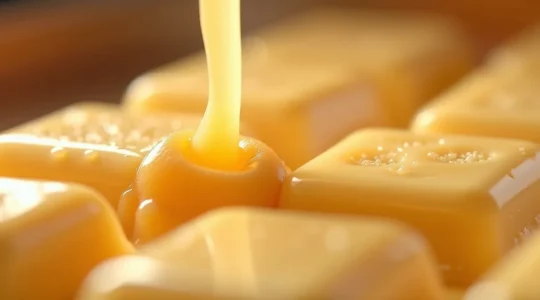
How Blond Chocolate and Its Dulce de Leche Notes Revolutionized Modern Pastry
The real magic of blond chocolate isn’t just its dulce de leche flavor, but the controllable Maillard reaction that creates…
Read more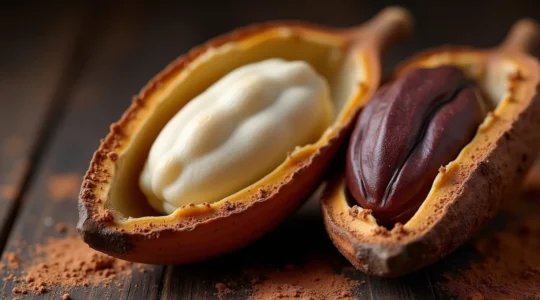
Why Are Criollo and Porcelana Considered the Holy Grail of Chocolate?
The value of elite cacaos like Criollo and Porcelana is not a matter of subjective preference; it is an objective…
Read more
Why Using a “Madagascar Origin” Couverture Radically Transforms Your Chocolate Mousse
Mastering single-origin chocolate isn’t about the country on the label; it’s about architecting flavour by controlling its specific aromatic and…
Read more