Tasting & Sensory Experience
The world of chocolate tasting extends far beyond simply enjoying sweetness. It encompasses a complex interplay of chemistry, sensory biology, and mindful awareness that transforms a casual treat into a profound sensory experience. Whether you’re savoring a single-origin bar or crafting your own confections, understanding how our senses perceive flavor, texture, and aroma unlocks an entirely new dimension of appreciation.
This comprehensive resource explores the foundational principles of sensory experience in chocolate—from the molecular transformations during roasting to the neurological pathways of taste and smell. You’ll discover how temperature shapes flavor compounds, why texture affects perception, and how deliberate tasting practices can enhance both enjoyment and expertise. By mastering these elements, you’ll develop the vocabulary and sensory awareness to truly understand what you’re experiencing in every bite.
The Science of Flavor Perception and Olfaction
Taste and smell work in tandem to create what we commonly call “flavor.” While your tongue identifies only five basic tastes—sweet, sour, salty, bitter, and umami—your nose does the heavy lifting when it comes to distinguishing complex flavor notes. In chocolate tasting, maximizing aromatic perception through olfaction is essential for identifying the nuanced differences between origins and processing methods.
Retro-olfaction, the practice of exhaling through your nose while chocolate melts on your palate, releases volatile aromatic compounds directly to your olfactory receptors. This technique reveals subtleties that direct smelling cannot capture. The shape of your tasting vessel matters too—wider glasses allow more aroma volatilization, while narrower ones concentrate scents for initial assessment.
Common challenges include olfactory fatigue, where your nose becomes temporarily desensitized after several samples. Professionals prevent this saturation by limiting consecutive tastings to five or six samples, taking breaks, and smelling neutral substances like coffee beans or your own skin between evaluations. Learning to identify defects at the aroma stage—such as moldy, smoky, or overly fermented notes—saves you from disappointing taste experiences and helps develop quality assessment skills.
Roasting and Thermal Transformation
The roasting phase represents a critical intervention point where raw cacao transforms into the aromatic foundation of chocolate. Understanding and controlling the Maillard reaction—a complex chemical process between amino acids and reducing sugars—is fundamental to developing desirable flavor profiles while avoiding defects.
Temperature and Aroma Development
The relationship between temperature and aroma is direct and profound. Between 120°C and 150°C (248°F-302°F), Maillard reactions generate hundreds of flavor compounds. Lower temperatures and longer roasting times tend to preserve fruitier, more delicate notes inherent to the bean’s origin, while higher temperatures create deeper, more caramelized, and nutty characteristics. Exceeding optimal temperatures results in excessive bitterness and burnt flavors that mask terroir expression.
Adjusting Profiles According to Origin
Different cacao origins require tailored roasting approaches. Beans from Madagascar or Peru, naturally high in fruity esters and floral compounds, benefit from gentler roasting to preserve their delicate aromatics. Conversely, robust West African beans with earthy, chocolatey base notes can withstand more aggressive roasting that develops deeper complexity without overwhelming their flavor structure.
Recognizing Visual and Aromatic Changes
The chronology of color and odor changes serves as your roasting roadmap. Initial grassy or vinegar-like smells dissipate first, followed by the emergence of cocoa aromatics around the midpoint. Color progression from purple-brown to rich mahogany provides visual confirmation, though relying solely on color can mislead—aroma and time remain your most reliable indicators for achieving the precise roast level you desire.
Understanding and Managing Taste Components
Achieving balance among chocolate’s taste elements—acidity, bitterness, sweetness, and astringency—separates memorable experiences from mediocre ones. Each component plays a specific role in the overall sensory profile.
Acidity in Fine Chocolate
Natural acidity in quality cacao contributes brightness and complexity, much like acidity elevates wine. However, distinguishing fruity acidity (desirable, resulting from controlled fermentation) from acetic acidity (vinegary, indicating fermentation issues) is crucial for quality assessment. African cacaos typically present lower acidity with earthy depth, while South American varieties often showcase pronounced fruity acids reminiscent of berries or citrus.
This natural acidity can be leveraged creatively—pairing acidic chocolates with wine requires matching intensity levels, while using acidic chocolate in desserts can rescue overly sweet or one-dimensional creations. The common mistake of over-sweetening to mask acidity actually diminishes complexity; instead, embrace acidity as a feature worth highlighting.
Bitterness and Balance
Bitterness derives primarily from alkaloids like theobromine and caffeine, plus phenolic compounds developed during roasting. While some bitterness is expected and desirable in dark chocolate, excessive bitterness from over-roasting represents a defect that obscures other flavors. The key is achieving equilibrium where bitterness provides structure without dominating the taste experience.
Texture and Mouthfeel Mastery
Texture profoundly influences flavor perception and satisfaction. The sensation chocolate creates in your mouth results from multiple physical and chemical factors working simultaneously.
Particle size determines smoothness—professional chocolate is typically refined to 18-20 microns, below the threshold where your tongue detects individual particles as grittiness. The interplay between cocoa butter and other fats creates emulsion stability and influences melting behavior. Cocoa butter melts at just below body temperature, creating chocolate’s characteristic “melt-in-your-mouth” quality, while dairy cream contributes different textural properties and flavor carriers.
Mastering friction and elasticity allows you to control mouthfeel precisely. Proper conching (prolonged mixing and aeration) reduces friction, creating silky texture, while controlling moisture and lecithin content prevents the dreaded phase separation where fat splits from solids. If an emulsion does break, gentle reheating while adding small amounts of the separated phase back gradually, with constant stirring, can often rescue it.
- Smooth texture: Refine to under 20 microns, conch adequately
- Proper snap: Ensure correct tempering and cocoa butter crystallization
- Creamy mouthfeel: Balance fat content and emulsifiers
- Prevention of graininess: Control moisture and sugar crystal size
The Art of Temporal Tasting Analysis
Flavor unfolds in stages as chocolate melts, revealing different characteristics at different moments. Analyzing this temporal evolution enhances both appreciation and assessment skills.
The attack or “head” refers to initial impressions in the first few seconds—often aromatic volatiles and surface flavors that hit immediately. The mid-palate or “heart” emerges as chocolate fully melts, revealing the core flavor profile and body. Finally, the finish or “length” describes how long pleasant flavors persist after swallowing, with quality chocolate often leaving complex impressions for 30 seconds or more.
Common pitfalls include flavor confusion when tasting multiple samples without palate cleansing. Between evaluations, plain water and neutral crackers or bread help reset your taste receptors. Some professionals prefer room-temperature sparkling water, as carbonation provides additional cleansing action without introducing competing flavors.
- Place chocolate on your tongue and note immediate impressions
- Allow complete melting without chewing to experience full development
- Practice retro-olfaction as chocolate liquefies
- Assess mid-palate complexity and balance
- Evaluate finish length and quality after swallowing
- Cleanse palate thoroughly before the next sample
Mindful Tasting Practices and the Slow Chocolate Method
The philosophy of mindful consumption transforms chocolate from a quick indulgence into a meditative sensory practice. This approach, sometimes called the “Slow Chocolate” method, emphasizes presence, attention, and intentionality.
Ritualizing the consumption moment—setting aside distractions, creating a calm environment, and approaching tasting with focused awareness—dramatically enhances sensory perception and satisfaction. This practice helps you distinguish genuine hunger from emotional cravings, encouraging quality over quantity. Interestingly, eating chocolate slowly and mindfully can actually reduce sugar cravings by providing deeper satisfaction from smaller amounts.
The technique of passive melting, where you resist the urge to chew and instead let chocolate dissolve naturally on your tongue, maximizes flavor release and textural appreciation. Coordinating breathing with tasting—inhaling gently through your nose as chocolate melts—optimizes retro-olfaction. Some practitioners pair mindful tasting with silence, eliminating conversation to maintain complete sensory focus.
This approach offers benefits beyond improved tasting ability. Slower consumption naturally moderates glycemic response, preventing the blood sugar spike that often follows rapid chocolate consumption. More importantly, it cultivates a healthier relationship with food, where satisfaction comes from awareness rather than volume.
Developing Your Palate Through Systematic Exploration
Expertise in sensory evaluation develops through deliberate practice and systematic comparison. Educating your palate requires exposure to diverse expressions of chocolate and structured reflection on your experiences.
Maintaining a tasting journal accelerates learning by creating a personal reference library. Record origin, percentage, roast level, and your sensory observations using specific descriptors rather than vague terms. Over time, patterns emerge that reveal your preferences and enhance your ability to predict what you’ll enjoy.
Organizing comparative “flights”—tasting three to five chocolates side-by-side with a specific focus—builds discrimination skills. You might compare different origins at the same percentage, the same origin at different percentages, or different makers using identical beans. This controlled variation method highlights how specific variables influence the final product.
Using established flavor wheels designed for chocolate provides standardized vocabulary and helps you identify notes you might otherwise struggle to name. These visual tools typically organize flavors into categories—fruity, floral, nutty, earthy, spicy—with increasingly specific descriptors branching outward.
Perhaps most importantly, practice blind tasting to overcome brand bias. When you don’t know the maker or price point, you evaluate chocolate on its actual sensory merits rather than preconceptions. This honest assessment often yields surprising results and reveals quality independent of marketing influence.
As you build experience across terroirs—from Ecuadorian Nacional to Madagascan Trinitario, from Venezuelan Criollo to Ghanaian Forastero—you’ll develop the ability to identify varietal characteristics and regional signatures, the hallmark of true sensory expertise.
Mastering the sensory experience of chocolate is an ongoing journey rather than a destination. Each element explored here—from chemical reactions during roasting to the neuroscience of flavor perception, from texture mechanics to mindfulness practices—contributes to a richer, more informed appreciation. By applying these principles systematically, you’ll transform every tasting into an opportunity for discovery and refinement of your sensory awareness.
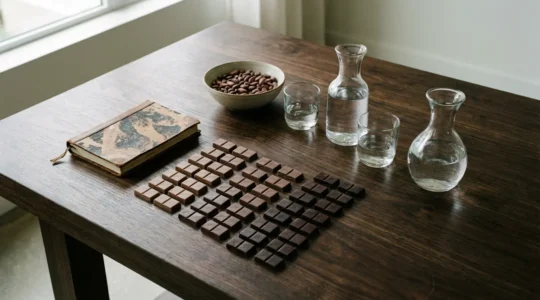
How to Build a Chocolate Flavor Library in Your Mind?
Becoming a chocolate connoisseur isn’t a matter of innate talent, but of adopting a systematic approach to cataloging flavors. Structure…
Read more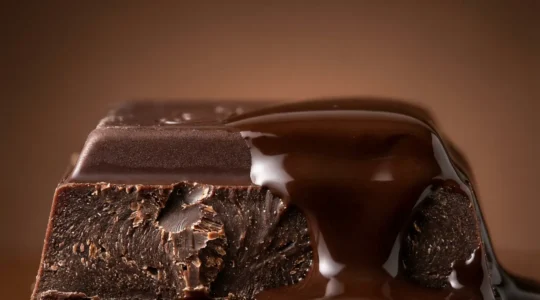
Why Letting Chocolate Melt on the Tongue Changes the Flavor Profile?
The true flavor profile of chocolate is not a fixed quality but a dynamic experience unlocked through patience. By allowing…
Read more
Mapping the Chocolate Flavor Journey: A Temporal Guide from Attack to Finish
Professional chocolate tasting is an exercise in temporal cartography, mapping how chemical compounds unfold in the mouth over minutes, not…
Read more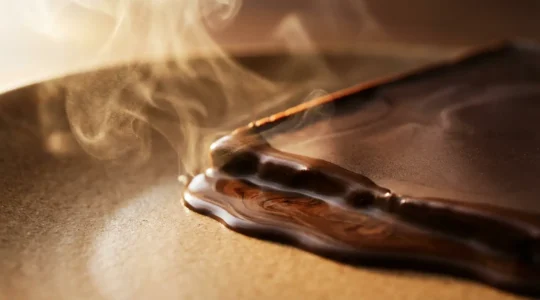
Why Warming Your Chocolate Slightly Releases More Volatile Aromas
The complete aromatic perception of a chocolate hinges not on taste, but on mastering the release and capture of its…
Read more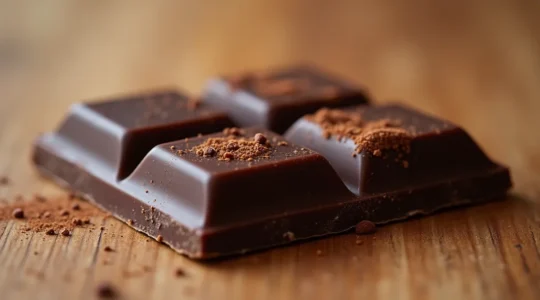
How to Satisfy Any Chocolate Craving with Just One Perfect Square
Contrary to popular belief, mastering your chocolate cravings isn’t about willpower—it’s about upgrading your sensory experience to make one square…
Read more
The Physics of a Perfect Ganache: How to Engineer a Stable, Silky Emulsion
Achieving a flawless ganache is not an art form, but a controlled scientific process of creating a stable fat-in-water emulsion….
Read more
How can the natural acidity of cocoa balance an overly rich dessert?
Cocoa’s acidity is not a flavor to be masked, but a functional tool to master. It acts as a palatal…
Read more
How to Develop Biscuit and Nutty Notes Without Burning Your Cocoa Beans?
Achieving the perfect nutty or biscuit profile in cocoa is a delicate balance. A few degrees too high or a…
Read more