Recipes & Pastries
The world of pastry and chocolate work represents one of the most technically demanding yet deeply rewarding areas of culinary arts. Whether you’re attempting your first molten chocolate cake or perfecting the delicate layers of a French entremet, understanding the fundamental principles separating amateur attempts from professional results makes all the difference. The precision required in pastry work often intimidates home bakers, yet with proper knowledge of techniques and the science behind them, these skills become remarkably accessible.
This comprehensive resource explores the essential techniques, common pitfalls, and proven methods for creating exceptional chocolate desserts and pastries. From mastering basic doughs to constructing elaborate multi-layered cakes, each section addresses the practical challenges you’ll encounter and provides actionable solutions grounded in pastry science and professional practice.
Why Chocolate Desserts Demand Technical Precision
Chocolate-based desserts occupy a unique space in pastry making because they require simultaneous control of temperature, texture, and timing. Unlike fruit-based desserts that forgive minor variations, chocolate amplifies every mistake—a ganache split by a few degrees, a fondant overbaked by two minutes, or a tart crust that absorbed moisture overnight.
The Molten Chocolate Cake Challenge
The iconic fondant au chocolat exemplifies this precision requirement perfectly. Achieving that signature flowing center while maintaining a set exterior depends on three critical factors: choosing molds with proper heat conductivity (individual metal molds outperform ceramic), managing the delicate balance between flour and starch for structure without heaviness, and serving at the ideal temperature of 135-140°F where the center remains fluid but not scalding. Many bakers don’t realize these cakes actually freeze exceptionally well when prepared in advance, allowing the luxury of timing control during dinner parties.
Chocolate Tarts: Where Texture Meets Structure
The perfect chocolate tart presents a different technical challenge: creating textural contrast between a crisp base and silky ganache filling. The catastrophic moment when you slice into a beautiful tart only to find a soggy bottom traces back to one missed step—waterproofing the pre-baked shell with a thin layer of melted chocolate or egg wash. Equally important is the ganache pouring technique; tapping the pan gently releases trapped air bubbles that would otherwise mar the mirror-smooth surface. The debate between no-bake and baked chocolate tarts ultimately depends on your filling composition and desired shelf stability.
The Foundation of All Fine Pastry: Mastering Pâte Sucrée
Before attempting any elaborate chocolate creation, understanding sweet tart dough (pâte sucrée) proves essential. This buttery, cookie-like pastry forms the foundation for countless desserts, yet many home bakers struggle with tough, shrinking crusts because they misunderstand one crucial technique: sablage.
The Sablage Technique Explained
Sablage—the process of coating flour particles with fat before adding liquid—creates that characteristic sandy texture (sable means “sand” in French) that prevents gluten development. Think of it like waterproofing individual grains of sand; once coated with butter, they resist forming the elastic gluten networks that make dough tough. This explains why overworking pâte sucrée after adding eggs produces disappointing results.
Sugar Selection and Its Impact
The choice between powdered sugar and granulated sugar significantly affects your final texture. Powdered sugar dissolves more readily and contains cornstarch, producing a more tender, fine-crumbed result ideal for delicate tarts. Granulated sugar creates slightly more structure but requires longer mixing. For chocolate work specifically, powdered sugar’s silky texture complements rich ganache fillings beautifully.
Rest Periods and Professional Lining
Professional pastry chefs religiously rest their dough for a minimum of two hours (or overnight) in the refrigerator. This resting period allows gluten strands to relax, butter to firm up for easier handling, and hydration to distribute evenly. When lining tart rings (fonçage), pressing dough from the bottom outward while leaving a slight overhang prevents shrinkage during baking—a technique that transforms amateur results into professional presentations.
Laminated Doughs: Creating Flaky Layers
Few pastries inspire more reverence than perfectly executed croissants or pains au chocolat, with their honeycomb interiors and shattering layers. These laminated doughs require understanding the interplay between butter quality, timing, and temperature control.
The key to successful lamination lies in selecting dry butter with 84% fat content specifically formulated for pastry work (beurre de tourage). Regular butter contains too much moisture, causing layers to fuse rather than separate during baking. The butter block must remain pliable yet cold—matching the dough’s temperature exactly to prevent tearing or squeezing out during the rolling process.
The Proofing Mystery
Many home bakers fail at the final hurdle: the proofing stage (apprêt). Pains au chocolat need a warm environment around 75-80°F with high humidity, typically requiring 2-3 hours until they’re noticeably puffy and jiggly when shaken gently. Underproofed pastries remain dense; overproofed ones collapse. The telltale sign of proper proofing shows visible layer separation along the sides.
The One-Bar Versus Two-Bar Debate
Traditionalists argue one chocolate bar creates better flavor distribution and easier rolling, while two bars provide that satisfying chocolate encounter in every bite. From a technical standpoint, two bars require slightly wider dough rectangles to prevent chocolate from protruding during shaping, which causes butter leakage during baking. Planning your laminated dough project across two days (with overnight cold fermentation) dramatically improves flavor complexity through slow yeast activity and starch breakdown.
Chocolate Confections: The Art of Ganache
Ganache—that deceptively simple emulsion of chocolate and cream—forms the heart of truffles, pralines, and countless other confections. Yet this apparently straightforward mixture fails spectacularly when ratios, temperatures, or techniques falter.
Infusing Flavor Complexity
Professional chocolatiers elevate basic ganache by infusing cream with aromatics before combining it with chocolate. Vanilla pods, coffee beans, citrus zest, or even herbs steep in hot cream for 10-15 minutes, transforming a one-dimensional chocolate experience into something memorable. Straining thoroughly before adding chocolate prevents unwanted texture.
Rescuing Split Ganache
When ganache “breaks” or “splits”—separating into grainy chocolate and oily liquid—don’t panic. This emulsion failure typically results from temperature shock or incorrect ratios. The rescue technique involves adding a tablespoon of cold cream and whisking vigorously, or using an immersion blender to re-emulsify the mixture. Prevention proves easier: ensure your chocolate and cream temperatures don’t differ by more than 20°F when combining.
Coating Without Tempering
Hand-rolled truffles embrace rustic irregularity, eliminating the need for complex chocolate tempering. Rolling ganache centers in cocoa powder, crushed nuts, or finely shredded coconut provides coating options that require no specialized equipment. For slightly more refined results, a thin shell of untempered chocolate creates an authentic artisanal appearance with intentional bloom. Varying interior textures—from soft and creamy to firm and fudgy—depends entirely on your chocolate-to-cream ratio: equal weights produce pipeable fillings, while 2:1 chocolate to cream creates firm, sliceable ganache.
Advanced Pastry Architecture: Multi-Layered Entremets
The French entremet represents pastry’s pinnacle—a sophisticated construction combining multiple textures and flavors in geometric precision. These showcase desserts demand planning, organization, and understanding how different components interact structurally and texturally.
Balancing Textural Contrast
Professional entremets typically incorporate at least three distinct textures: a light mousse for volume, a rich crémeux for intensity, and a crunchy element for contrast. Think of it as composing music—each component plays a distinct role, and the magic happens in their interaction. Too many soft layers become monotonous; insufficient contrast fails to excite the palate. A successful formula might combine chocolate mousse, coffee crémeux, hazelnut crunch, and génoise sponge.
Reverse Assembly Method
The professional technique of inverted assembly (montage inversé) revolutionizes entremet construction. By building upside-down in a mold—starting with the top decorative layer, then mousse, inserts, and finally the base—you achieve perfectly smooth sides and sharp edges impossible through traditional methods. Freezing between layers ensures clean separation and allows precise placement of components.
Preventing Condensation Disasters
Perhaps the most heartbreaking entremet failure occurs when condensation ruins a perfect mirror glaze within minutes of unmolding. This happens when frozen cakes meet room-temperature air, causing moisture to precipitate on cold surfaces. The professional solution involves a carefully planned thawing sequence: transfer from freezer to refrigerator 6-8 hours before service, then to room temperature 45-60 minutes before glazing. This gradual temperature equalization prevents surface condensation while maintaining structural integrity.
Beyond Sweet: Chocolate in Savory Applications
While most pastry work focuses on desserts, exploring chocolate’s savory applications expands your culinary repertoire significantly. The traditional Mexican mole poblano demonstrates how chocolate contributes depth, body, and complexity to savory preparations without obvious sweetness.
Authentic mole poblano balances multiple chile varieties with bitter chocolate, creating a sauce of extraordinary complexity. The critical technique called tatemar—dry-roasting chiles, seeds, and aromatics until deeply colored—develops the smoky foundation essential to proper mole. Unlike French sauces thickened with roux or cream, mole achieves body through ground nuts, seeds, and tortillas, creating a naturally cohesive sauce when blended thoroughly. Managing bitterness requires careful chile selection and moderate chocolate quantities; typically only 1-2 ounces per quart of sauce provides sufficient depth without overwhelming other flavors.
This ancient preparation method reveals chocolate’s versatility beyond confectionery, demonstrating principles applicable to contemporary savory dishes from braised meats to sophisticated sauces where cocoa’s earthy bitterness enhances rather than sweetens.
Essential Storage and Service Practices
Even perfectly executed pastries fail if storage and service receive insufficient attention. Chocolate work particularly suffers from improper handling, absorbing refrigerator odors or developing unsightly bloom from temperature fluctuations.
Store chocolate desserts in airtight containers to prevent odor absorption—chocolate acts like a flavor sponge, readily absorbing nearby aromas from onions, fish, or strong cheeses. For truffles and pralines, layer between parchment in sealed containers, storing at cool room temperature (65-68°F) rather than refrigeration when possible. Refrigerated chocolate should always reach room temperature before serving to restore proper texture and release volatile flavor compounds.
When presenting chocolate creations as gifts, communicate storage requirements clearly. Professional chocolatiers include small cards specifying optimal storage conditions and consumption timelines. Most ganache-based confections peak within 7-10 days of production, though properly stored pralines with sealed shells last several weeks. These practical details separate memorable gifts from disappointing experiences.
Mastering recipes and pastries requires patience, precise technique, and understanding the scientific principles underlying each process. The techniques explored here—from proper ganache emulsification to laminated dough construction—form the foundation for countless variations and personal innovations. As you develop these skills, you’ll find that apparent complexity dissolves into logical sequences of manageable steps, each building toward creations that rival professional patisseries.
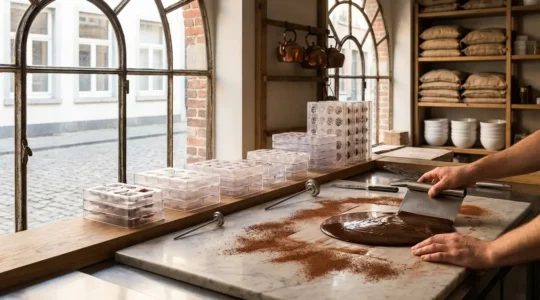
How to Create a Thin and Snappy Shell for Belgian Molded Chocolates?
In summary: Achieving a thin, snappy shell is not about a recipe, but mastering the physics of chocolate tempering to…
Read more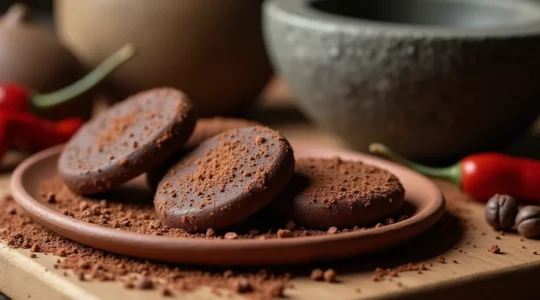
Why Stone-Ground Chocolate Is Essential for Authentic Mexican Mole Texture
The authentic texture of a traditional mole comes not from a specific ingredient, but from the coarse, uneven particles of…
Read more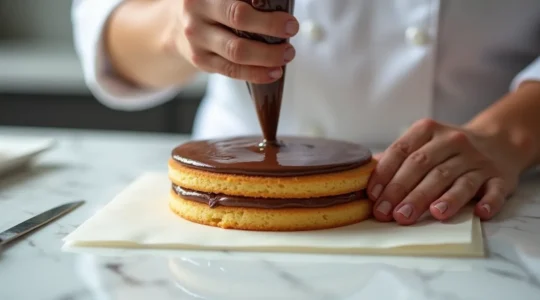
How to Layer Mousse, Creamy, and Crunch Without Collapsing the Cake?
The structural integrity of a show-stopping entremet relies not on luck, but on mastering the physics of temperature, texture, and…
Read more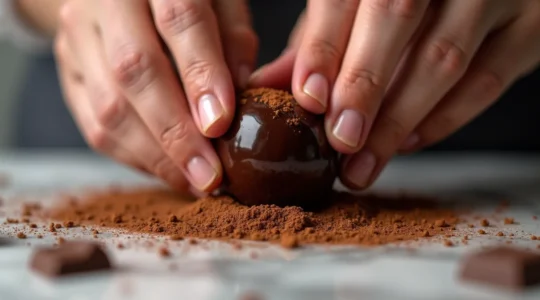
The Art of the Hand-Rolled Truffle: Beyond Ratios to a Perfect, Imperfect Treat
The secret to unforgettable homemade truffles isn’t a perfect ratio, but mastering the confectioner’s touch for a perfectly imperfect result….
Read more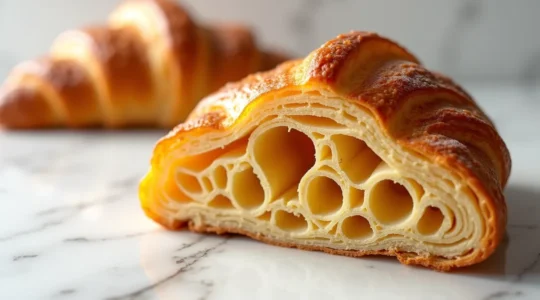
How to Achieve a Perfect Open, Airy Crumb with Your Laminated Dough
In summary: The dream of a light, flaky pain au chocolat often ends in a dense, greasy pastry due to…
Read more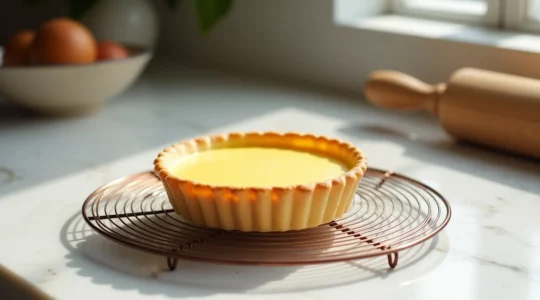
How to Make a Crumbly Sweet Pastry That Doesn’t Shrink During Baking?
Achieving a perfect, non-shrinking pâte sucrée isn’t about magic, but mastering the physics of fat and flour. Coating flour with…
Read more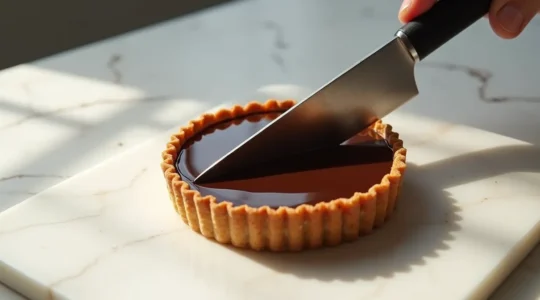
The Art of the Flawless Chocolate Tart: A Guide to a Mirror Finish and Perfect Slices
The difference between an amateur and a professional chocolate tart lies not in the ingredients, but in the precise control…
Read more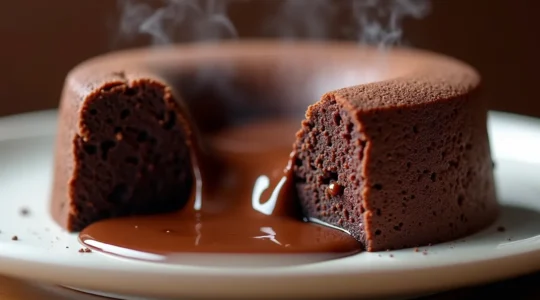
How to Master the Perfect Chocolate Lava Cake: A Degree-Perfect Guide to a Liquid Center and Firm Crust
Contrary to popular belief, the secret to a perfect lava cake is not simply underbaking the batter. True mastery comes…
Read more