Pleasures of cooking
The pleasures of cooking extend far beyond following recipes—they emerge when technique, knowledge, and creativity converge to transform raw ingredients into extraordinary experiences. Nowhere is this more evident than in the refined world of chocolate work, where understanding the science behind your ingredients unlocks endless possibilities. From selecting professional-grade couverture to mastering avant-garde techniques, each decision shapes not only flavor but texture, appearance, and the emotional response of those who taste your creations.
This comprehensive exploration connects the fundamental pillars of exceptional chocolate work: ingredient selection, flavor pairing, textural innovation, and cutting-edge techniques. Whether you’re crafting delicate pastries, reimagining hot chocolate as a gourmet experience, or venturing into savory applications, these insights will empower you to work with confidence and intention. The journey from competent to exceptional begins with understanding why each element matters and how they work together in harmony.
Understanding Professional Chocolate Selection
The foundation of any chocolate creation rests on choosing the right couverture—a decision that impacts everything from workability to final taste. Professional chocolate, unlike standard baking chocolate, contains a precise cocoa butter percentage that determines its behavior during tempering, molding, and coating applications.
Cocoa Butter Percentage and Fluidity
Cocoa butter content directly influences fluidity, measured on a scale from one to five droplets. A three-droplet chocolate offers moderate fluidity ideal for molding and enrobing, while a five-droplet variety flows easily into intricate molds and creates ultra-thin coatings. Think of it like motor oil viscosity—the right specification ensures optimal performance for your specific application. When creating thin chocolate shells for bonbons, high fluidity prevents thick, clunky walls. For hand-dipped centers, moderate fluidity provides better coverage control and reduces excess chocolate waste.
Dark vs Milk Coverage: Recipe Adjustments
Switching between dark and milk couverture requires more than a simple substitution. Milk chocolate contains milk solids and typically more sugar, creating a sweeter, creamier profile that sets softer than dark chocolate at equivalent cocoa percentages. A ganache formulated for 70% dark chocolate will become overly soft and sweet if you substitute 40% milk chocolate without adjusting cream ratios. Reduce liquid content by approximately 10-15% when moving from dark to milk, and consider the flavor balance—milk chocolate’s inherent sweetness may require reducing added sugars or intensifying complementary flavors like coffee or salt.
Minimizing Waste and Strategic Purchasing
Professional couverture represents a significant investment, making waste management crucial. Tempered chocolate can be re-tempered repeatedly, so collect excess from molding operations, strain out any debris, and store it properly. Planning purchases according to seasonal demand helps manage cash flow—stock up on dark chocolate before winter holidays when demand for rich, intense flavors peaks, and ensure adequate milk chocolate inventory before spring when lighter confections gain popularity.
The Art of Vanilla in Chocolate Work
Vanilla and chocolate share a natural affinity, but this classic pairing demands nuance to avoid common pitfalls. The choice between vanilla origins, forms, and infusion methods profoundly impacts the final product’s aromatic complexity.
Madagascar vs Tahiti: Choosing Your Profile
Madagascar vanilla offers the classic, creamy-sweet vanilla profile most people recognize—rich in vanillin with caramel and dried fruit notes. It complements milk chocolate beautifully and reinforces traditional flavor expectations. Tahitian vanilla, by contrast, brings floral, fruity, almost cherry-like characteristics with lower vanillin content. This makes it exceptional with white chocolate and delicate fruit pairings where Madagascar’s boldness might dominate. Consider your flavor destination: if chocolate is the star, Madagascar vanilla provides subtle support; if you’re crafting complex flavor layers, Tahitian vanilla adds dimension without competition.
Distinguishing Real from Synthetic
Synthetic vanillin costs a fraction of genuine vanilla beans but lacks the 250+ flavor compounds found in real vanilla. While synthetic vanilla delivers that familiar vanilla note, it remains one-dimensional—imagine comparing a photograph to standing in an actual forest. For premium chocolate work, real vanilla justifies its cost through complexity and authenticity. However, when vanilla plays a supporting role in heavily spiced or intensely flavored applications, quality vanilla extract (containing real vanilla) offers a practical middle ground.
Infusion Techniques and Dosage Balance
Efficient infusion maximizes flavor extraction while minimizing waste. For ganaches, split and scrape vanilla pods, then steep both seeds and pods in warm cream for 20-30 minutes before straining. This extracts not just the visible seeds but the aromatic compounds within the pod itself. The critical error is overdosing—too much vanilla masks the delicate notes of quality cacao rather than enhancing them. Start conservatively (one pod per 500ml cream) and adjust upward, tasting as you go. The goal is a whisper of vanilla that makes chocolate taste more like itself, not a vanilla cream that happens to contain chocolate.
Extending Value: Reusing Spent Pods
After infusion, vanilla pods retain considerable value. Rinse and dry them thoroughly, then store in granulated sugar to create vanilla sugar over 2-3 weeks—perfect for dusting finished chocolates or sweetening hot chocolate. Alternatively, grind dried pods into powder for incorporating directly into cookie doughs or dry rubs. A single high-quality pod can serve multiple purposes before exhausting its aromatic potential.
Textural Innovation with Freeze-Dried Fruits
Freeze-dried fruits revolutionize chocolate work by delivering intense flavor without moisture—the enemy of chocolate’s crisp snap. Unlike candied fruits, which introduce sugar and water, freeze-dried inclusions maintain structural integrity within chocolate while providing concentrated taste and visual appeal.
The texture contrast between smooth chocolate and crispy fruit creates dynamic eating experiences. Raspberries offer tartness that cuts through rich dark chocolate; mango brings tropical sweetness to milk chocolate; strawberries provide familiar comfort in white chocolate. The key is humidity protection—expose freeze-dried fruits to moisture and they instantly rehydrate, becoming chewy and releasing water that causes chocolate to seize or bloom. Store opened packages with silica gel packets and work in climate-controlled environments when possible.
Dosage requires calibration. Whole freeze-dried raspberries pack considerably more flavor intensity than the same weight of candied fruit. Start with smaller quantities and remember that these fruits don’t just add flavor—they add aromatic drama. The fine powder that accumulates at the bottom of freeze-dried fruit packages, often discarded, can be incorporated into ganaches or dusted onto finished pieces for color and concentrated flavor. Choose fruits seasonally not by fresh availability but by matching flavor profiles to the season—bright citrus and berries for spring, stone fruits for summer, and deeper berry tones for autumn and winter chocolate collections.
Crafting Luxurious Hot Chocolate Experiences
Traditional hot chocolate often disappoints—grainy, skin-forming, and one-dimensional. Transforming it into a gourmet tasting experience requires understanding emulsification, liquid selection, and flavor layering.
The steam wand technique borrowed from coffee culture creates microfoam that integrates seamlessly with melted chocolate, producing a velvety texture impossible to achieve by simple stirring. Whisking vigorously while introducing steam creates an emulsion of fat, liquid, and air that coats the palate luxuriously. Your liquid choice fundamentally alters the experience:
- Whole milk provides balanced creaminess with enough fat to carry flavors without overwhelming
- Plant-based alternatives (oat, almond) offer lighter bodies and introduce subtle complementary flavors—oat milk’s natural sweetness pairs beautifully with caramelized chocolate
- Cream-enriched bases create intensely rich drinking chocolates suitable for small portions, similar to Italian cioccolata calda
Spice infusion adds complexity. Cold infusion overnight extracts delicate aromatics from cinnamon, cardamom, or star anise without bitterness; hot infusion just before service delivers brightness and immediacy. Prevent surface skin formation by maintaining gentle heat without boiling and serving immediately. Consider adjusting richness by time of day—lighter preparations suit morning or afternoon service, while decadent evening versions can incorporate cream and higher cacao percentages.
Modern Pastry Aesthetics: The Velvet Effect
The velvet spray technique has transformed professional pastry presentation, creating that distinctive matte, velvety surface that appears on contemporary plated desserts and entremets. This isn’t merely decorative—it signals craftsmanship and attention to detail.
The foundation is a tant pour tant mixture (equal parts by weight)—typically cocoa butter and chocolate, though ratios adjust based on desired opacity and color. This mixture must reach precise temperatures: too cold and it spatters in thick droplets; too hot and it remains glossy rather than velvety. Most applications require 30-35°C (86-95°F), but test your specific mixture since different chocolates behave variably.
The spray gun itself requires proper pressure regulation—typically 2-3 bars for even atomization. Distance matters critically: too close produces drips and uneven coverage; too far wastes product and creates dustiness. The ideal distance is usually 20-25 cm from the frozen surface. Yes, frozen—the target must be at -18°C or below for the velvet effect to crystallize properly on contact. This temperature differential creates the characteristic texture.
Common failures include refrigerator cracks appearing hours after application. This happens when temperature shock is too extreme or when the base cake hasn’t been properly frozen solid throughout. Always freeze desserts completely (minimum 4 hours) and allow the velvet-sprayed piece to temper gradually—move from freezer to refrigerator rather than directly to room temperature. Protect your workspace meticulously; cocoa butter overspray travels far and adheres stubbornly to surfaces.
Savory Cacao Applications in World Cuisine
Cacao’s complexity extends far beyond dessert. Across global cuisines, from Mexican moles to Italian game preparations, cacao adds depth, earthiness, and subtle bitterness that balances rich, fatty, or gamey proteins.
Game meats and cacao share an affinity rooted in their inherent intensity. Venison, wild boar, and duck benefit from cacao’s ability to bridge strong flavors with wine-based sauces. A small amount of dark chocolate (70% or higher) or unsweetened cocoa powder added to the final sauce stages rounds out sharp edges and adds body without detectable chocolate flavor. The goal is complexity, not sweetness.
Cacao nibs (crushed roasted cacao beans) offer crunchy texture and pure chocolate flavor without added sugar—ideal for salads where they provide bitterness and crunch similar to toasted nuts. Try them scattered over bitter greens with aged balsamic and olive oil. The Sicilian caponata tradition sometimes incorporates cocoa powder into the sweet-sour eggplant preparation, adding depth to the tomato base.
Cacao-based dry rubs for meat bring earthy undertones that caramelize beautifully during roasting or grilling. Combine cocoa powder with chili, coffee, brown sugar, and salt for a complex crust on pork or beef. The critical error is applying direct heat too intensely—cocoa burns easily, becoming acrid. Use moderate temperatures and watch carefully during the final stages of cooking. When incorporating chocolate into pan sauces, remove from heat and stir in finely chopped chocolate to avoid scorching.
Avant-Garde Chocolate Techniques
Culinary innovation constantly pushes chocolate into unexpected territories. Contemporary techniques borrowed from molecular gastronomy and modernist cuisine reveal new dimensions in familiar ingredients.
Cold smoking chocolate introduces wood-derived aromatics without heat that would damage temper. Apple or cherry wood chips smoked at temperatures below 25°C for 2-4 hours infuse chocolate with subtle smokiness—remarkable in ganaches paired with whiskey or in savory applications. This technique requires temperature-controlled smoking equipment and patience, but creates truly distinctive flavor profiles.
Xanthan gum, the hydrocolloid commonly used as a thickener, stabilizes chocolate sauces and prevents separation in ganaches with high liquid content. Just 0.1-0.2% by weight creates stable, spoonable textures that would otherwise break. This allows creation of fruit-forward ganaches using fresh purees that would normally cause emulsion failure.
Hervé This’s water-based chocolate mousse revolutionized culinary thinking—proving chocolate can emulsify with water alone, no eggs or cream required. Melting chocolate and whipping vigorously with water over ice creates an airy, intensely chocolate mousse with pure flavor unmarked by dairy richness. The ratio matters: typically 150ml water per 250g chocolate, though adjustment depends on chocolate’s cocoa butter content.
Preventing graininess in chocolate infusions requires understanding temperature thresholds. When steeping spices or herbs in chocolate, maintaining temperatures below 50°C prevents cocoa butter separation while allowing flavor extraction. Chocolate “aging”—storing bars in controlled conditions for months or years—allows flavor development similar to wine or cheese, though this remains experimental. Tannins mellow, acidity softens, and tertiary flavors emerge, creating remarkably complex tasting experiences.
These pleasures of cooking with chocolate—from fundamental ingredient selection through cutting-edge innovation—share a common thread: informed decisions produce extraordinary results. Each technique builds on understanding why ingredients behave as they do, allowing you to predict outcomes, troubleshoot problems, and ultimately express creativity with confidence. The mastery comes not from following instructions blindly, but from comprehending the principles that make excellence possible.
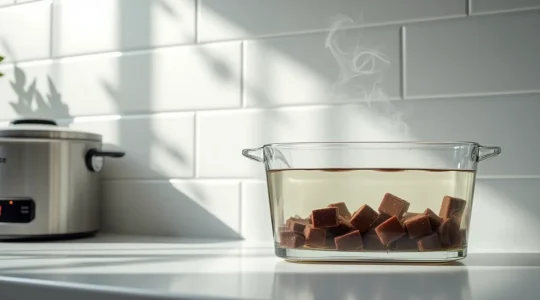
Beyond Tempering: How to Use Sous-Vide to Infuse Chocolate Without the Risk of Seizing
The greatest risk in advanced chocolate work—seizing from moisture—can be completely neutralized by using sous-vide as a precision laboratory tool….
Read more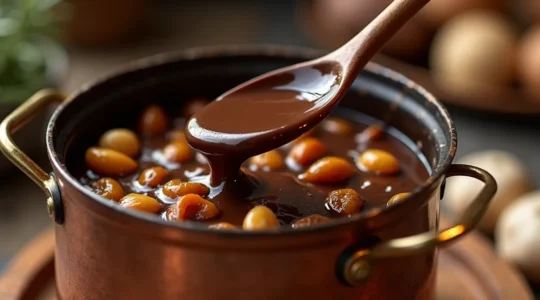
From Agrodolce to Mole: A Chef’s Guide to Savory Chocolate
The secret to using chocolate in savory cooking isn’t the recipe, but understanding its role as a flavor catalyst and…
Read more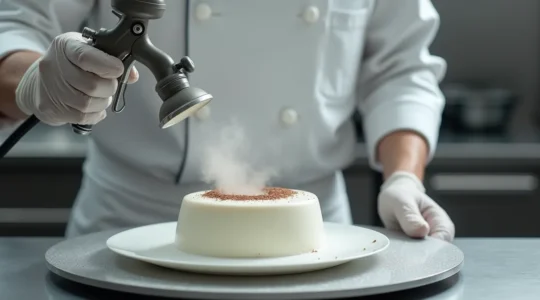
The Art of the Velvet Finish: A Designer’s Guide to Spray Gun Mastery
In summary: The perfect velvet finish relies on a precise temperature difference (thermal shock) between a hot spray (45-50°C) and…
Read more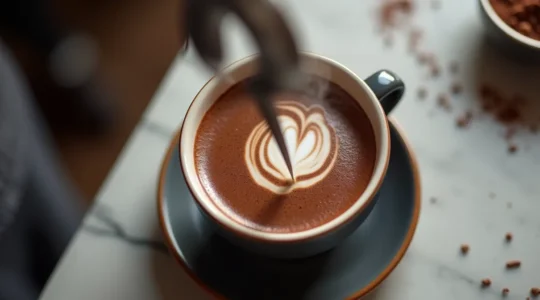
How to Get a Velvety, Thick Hot Chocolate Without Using Starch?
The secret to luxuriously thick hot chocolate isn’t adding more powder or a starch-based thickener; it’s mastering the science of…
Read more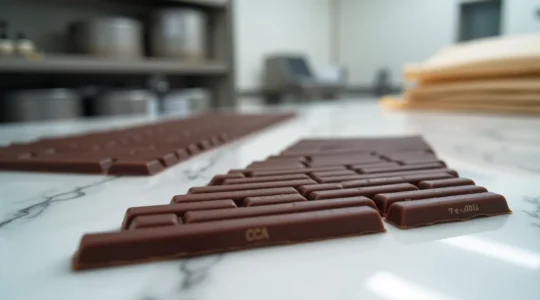
Why Baking Chocolate Sticks Resist Heat Without Burning: A Professional’s Guide
The secret to chocolate that holds its shape in the oven lies in a lower cocoa butter content and a…
Read more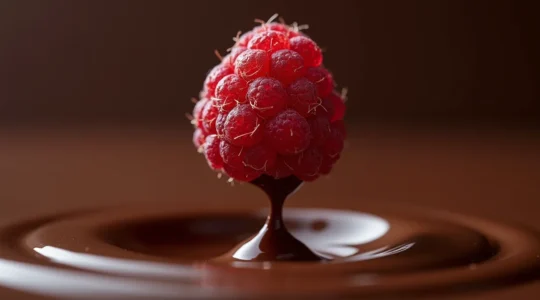
How to Add Intense Crunch and Acidity to Chocolate Without Adding Moisture
The secret to perfectly crisp freeze-dried fruit in chocolate lies not in the recipe, but in controlling the physics of…
Read more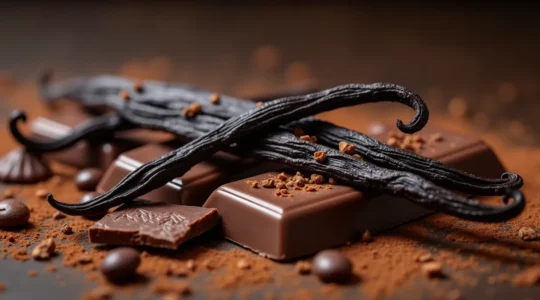
Why is Bourbon vanilla the historic and essential partner of chocolate?
The true role of vanilla in professional patisserie is not to add flavor, but to act as an aromatic diplomat,…
Read more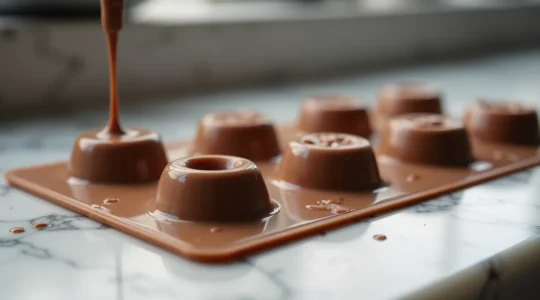
What Couverture for Ultra-Thin Shells? A Master’s Guide to Flawless Moulding
Achieving a professional, ultra-thin chocolate shell depends entirely on mastering the physics of fluidity, not just choosing a “good” brand….
Read more